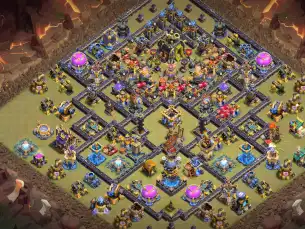
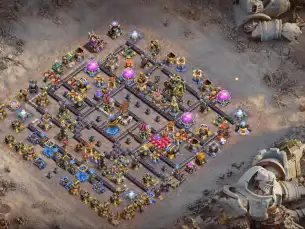
TH19 War Base with Offset Town Hall and Split Core

Latest Reviews 0
Strategy Explanation
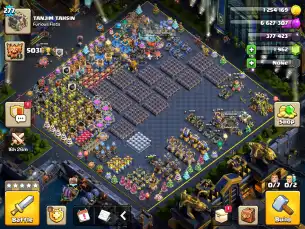
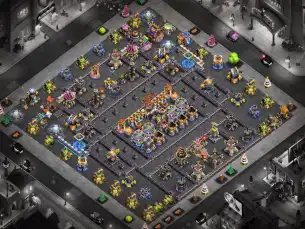
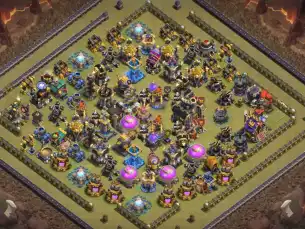
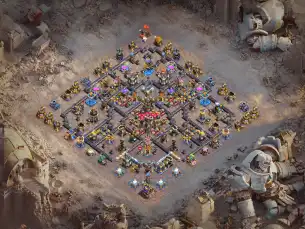
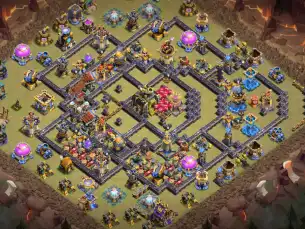
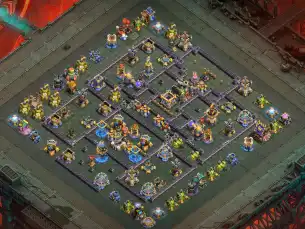
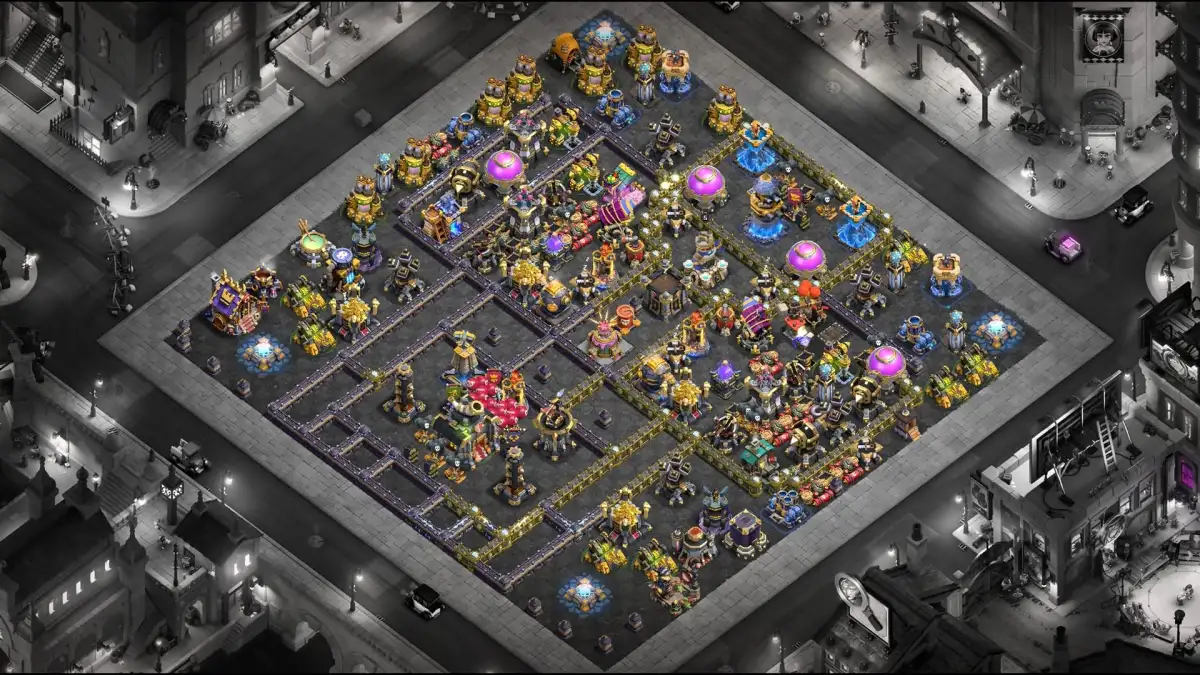
This TH19 War and Legend League layout uses an offset Town Hall near the upper side instead of placing everything around a centered core. That choice immediately changes how attacks want to enter. A direct push toward the Town Hall does not automatically open the rest of the base, and a safer percentage-focused entry from the opposite side still has to work through multiple compartments before reaching the high-value defenses.
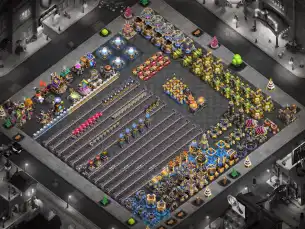
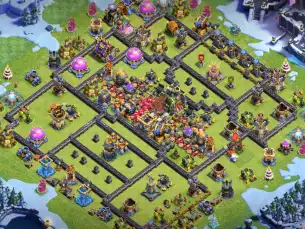
The middle of the base is split into several narrow sections rather than one large open core. That creates awkward movement for ground troops, especially when they break one layer but then have to turn into another compartment instead of continuing in a straight line. The heavier defenses are not stacked on top of each other either. Key damage is spread from the upper side through the right half and down toward the lower core, which means attackers do not get one obvious spell spot that covers everything at once.
There is also a clear contrast between the left side and the right side. The left and lower-left areas show more empty channeling and compartment space, while the right half is denser with defenses and storages. That usually forces a decision: commit heroes or a siege to carve through the denser right side, or enter from the more open side and risk troops drifting around the core. In war, that kind of split often aims to make planning harder than the raw damage numbers suggest.
Strengths
This layout has several practical strengths that come from pathing pressure rather than pure compactness.
- Offset Town Hall: The Town Hall is protected, but it is not sitting in a simple central ring. Attackers can reach it, yet taking it does not naturally remove the entire core.
- Broken compartment flow: The interior walls create short turns and side steps, which can pull ground troops off a clean line through the middle.
- Wide defensive spread: Important defenses are distributed across different sections, reducing the value of one massive spell investment.
- Dense right-side pressure: The right half holds a lot of buildings and defensive weight, so air or hero entries from that side have to survive sustained damage instead of one short burst.
- Outer pathing friction: Buildings around the edges are not perfectly symmetrical, which can make funneling less reliable for spam attacks.
For Legend League use, the structure is also useful because it can force attackers into uncomfortable choices between quick Town Hall security and deeper value through the middle.
Ground Attack Pathing
Ground armies are likely to test the lower-left or left edge first because those compartments look easier to open in sequence. The challenge is what happens after that first success. Once troops enter, they still need to turn into the center without walking around the empty channels. That makes this layout better against careless spam than against a fully planned push with strong funnel support.
Root Rider style entries would probably prefer the broader side lanes, but they still need heroes or a siege machine to hold direction into the core. Without that support, the riders can split early and leave major defenses standing on the opposite half.
Air Attack Considerations
Electro Dragon players will notice that the base is not tightly packed from edge to core. That helps reduce easy chain value in several areas, especially through the interior. The bigger danger comes from giving them a clean line across one side after a simple funnel. If the corners are trimmed too easily, the attack may still get long, efficient flight paths.
More standard air attacks should respect the right-side density. That area offers strong target value, but it also keeps multiple defenses active for a long stretch, which can punish a blimp or hero support force that arrives late.
Hero and Siege Entry Options
The most natural hero pressure looks possible from the upper side toward the Town Hall or from the left side into the wider compartments. Those are the two points that seem easiest to plan around. Because of that, the base relies on the follow-up being awkward rather than the opening being impossible.
If you use the copy option for this layout, it makes the most sense in war or Legend League where forcing a tough second phase matters. The opening objective may be readable, but finishing the base cleanly still requires precise control through the split core.
Best Use in War and Legend League
This setup fits players who want a practical anti-pathing design rather than a fully centralized bunker. In war, it can disrupt attackers who overcommit to the Town Hall and lose shape afterward. In Legend League, it asks for a clean funnel before troops can move efficiently through the interior. That,